By Robin Catalano. Full article available on greylockglass.com
During the height of the Spanish flu pandemic, afflicted Norwegian artist Edvard Munch painted a pair of self-portraits. In the first, he sits alone in a chair beside his rumpled bed, bundled in a robe, blankets covering his legs. His face is drained of color and his mouth hangs open, as if gasping for breath. In the second, painted after his recovery, he lists, seemingly exhausted, toward the viewer.
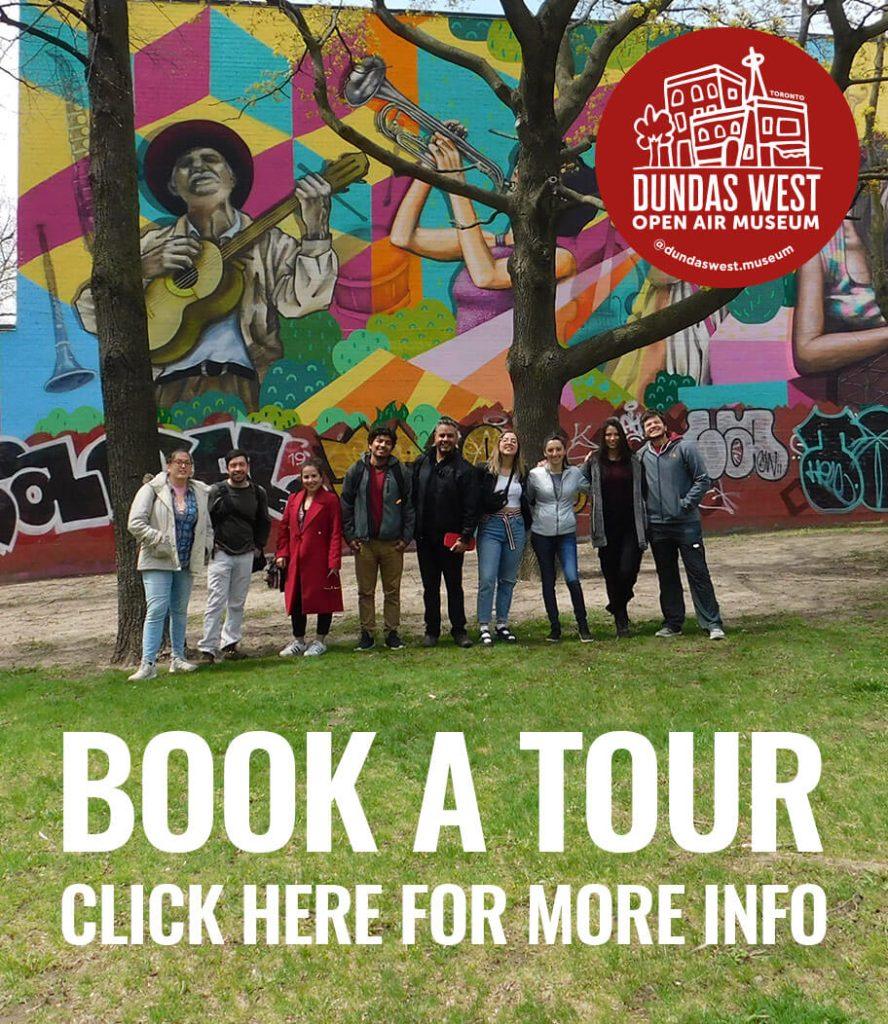
Though there is little besides Munch’s art that so viscerally records the 1918 pandemic, in its aftermath, the arts flourished, as they so often do following times of social and political upheaval—think the Renaissance after the black plague, or even the large body of political art that emerged following the AIDS crisis of the 1980s. It may be too early to gauge exactly what kind of art will emerge as the defining form of the post-COVID-19 period, but one media is staking its claim: street art.